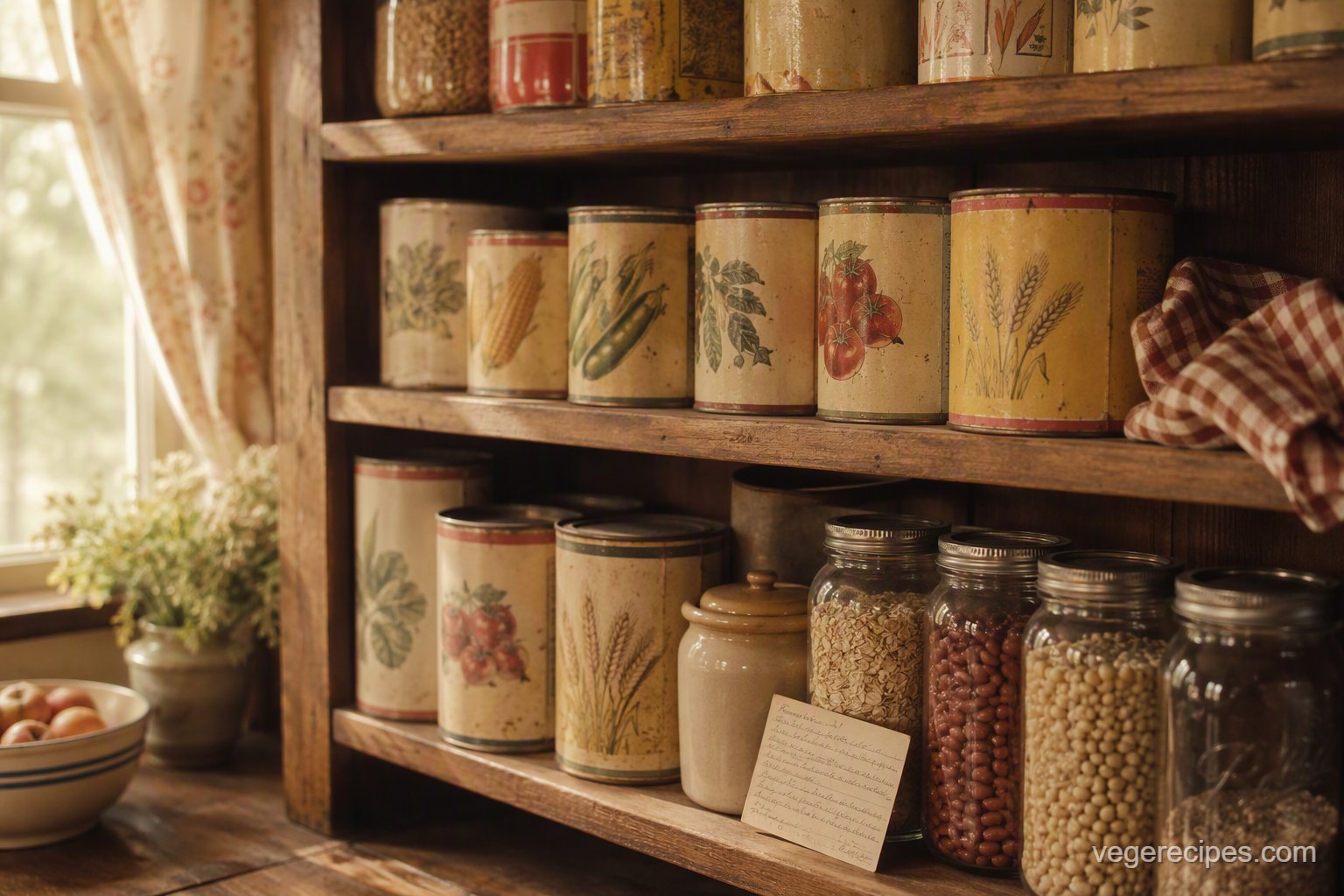
From Sanitarium Kitchens to Your Pantry: A Short History of Loma Linda, Worthington and Cedar Lake
Long before plant-based burgers showed up in fast-food drive-thrus, American vegetarians had a handful of trusted names on the pantry shelf: Loma Linda, Worthington and Cedar Lake. Cans of Big Franks, Linketts and FriChik, and frozen Stripples in the freezer case, fed generations of vegetarian families. Here’s a short look at where these pioneering brands came from, and where they are today.
Born in sanitarium kitchens
Both of the big names grew out of the Seventh-day Adventist health movement, which has promoted a vegetarian diet since the 1800s. Adventist sanitariums (health retreats and hospitals) needed wholesome, meatless food for their patients, so they started making it themselves.
Loma Linda traces its roots to 1905, when the Loma Linda Sanitarium in Southern California opened a bakery called the Sanitarium Food Company, turning out crackers, breads and cookies. In 1933 it became the Loma Linda Food Company, with a new plant in La Sierra, near Riverside, and it began producing some of the first commercially available meat alternatives made from soy and wheat. Fittingly, the city of Loma Linda is now known as one of the world’s “Blue Zones,” places where people tend to live unusually long lives.
Worthington started in 1939, when Dr. George T. Harding III founded a small company called Special Foods in Worthington, Ohio, to supply vegetarian foods to his family’s sanitarium. Its first big hit was Choplets, a wheat-gluten cutlet that debuted in 1940. By the mid-1940s the company had taken the name Worthington Foods, and in the late 1950s it bought the Battle Creek Food Company, the health-food business once run by Dr. John Harvey Kellogg.
By the 1960s, Loma Linda and Worthington were the two largest makers of soy-based foods in the United States.
MorningStar Farms and the Kellogg years
Worthington changed hands several times. Miles Laboratories bought it in 1970, and in 1974 the company launched a new line of frozen vegetarian foods called MorningStar Farms, including breakfast strips, links and patties. A management buyout in 1982 made Worthington independent again, and in 1990 it bought Loma Linda from the Adventist Church, bringing the two old rivals under one roof.
Then, in 1999, the Kellogg Company bought Worthington Foods for about $307 million. It was a full-circle moment of sorts, since the Kellogg name itself traces back to the Battle Creek Sanitarium. MorningStar Farms grew into one of the best-known vegetarian brands in the country, while many of the classic canned Loma Linda and Worthington items became harder to find.
New owners for the classic brands
In the 2010s, Kellogg sold off the older labels, and they’ve traveled different roads since:
- Loma Linda: sold by Kellogg, along with a number of Worthington canned items, to Atlantic Natural Foods of North Carolina in the mid-2010s. After Atlantic filed for bankruptcy in 2025, the Loma Linda brand, along with Tuno and Kaffree Roma, was bought in August 2025 by Century Pacific Food, the Philippine company that also makes unMeat plant-based products.
- Worthington: the frozen line, including the beloved Stripples, was bought in early 2016 by Heritage Health Food, an Adventist-founded company in Collegedale, Tennessee.
- Cedar Lake: founded in 1949 by Adventists in Cedar Lake, Michigan, and also acquired by Heritage Health Food in 2016.
So after decades as part of a giant cereal company, Worthington and Cedar Lake are back with an Adventist-rooted company, and Loma Linda has a new home with a growing international plant-based food maker.
Where to find them today
Availability varies by region. Look for Worthington and Cedar Lake products in the freezer and canned food areas of natural food stores, Adventist Book Centers (ABCs), and online shops. Also, find Loma Linda cans in the natural or international aisle. If your local store doesn’t carry them, it’s worth asking; many stores will special-order.
A few personal memories
“I used to make Stripples bacon sandwiches all the time, and they were almost like the real thing. Some of the best vegetarian meals I had included: Big Franks, Choplets or FriChik, and I remember eating them at family meals, church potlucks and camp meetings. Back in my university days, I would visit the campus market and get a vegetarian burger that was out of this world. Loved every bite!”
If I had to pick the most iconic dishes from Worthington, Loma Linda, and Cedar Lake history, they would be:
- FriChik Salad Sandwiches
- Heavenly FriChik Casserole
- Big Frank Chili Dogs
- Linketts & Potatoes Breakfast Hash
- Swiss Stake over Mashed Potatoes
Cook with the classics
If you have a pack of Stripples in the freezer, try them in place of homemade tempeh bacon on a BLT, like in our Maple Smoked Tempeh Bacon recipe. And if you want to explore the plant proteins these companies helped popularize, browse our seitan, tofu and TVP recipes. Our Homemade Seitan Cutlets are a close cousin of the original Choplets.
Want new recipes and posts like this in your inbox? Subscribe here and we’ll let you know when something new is on the table.