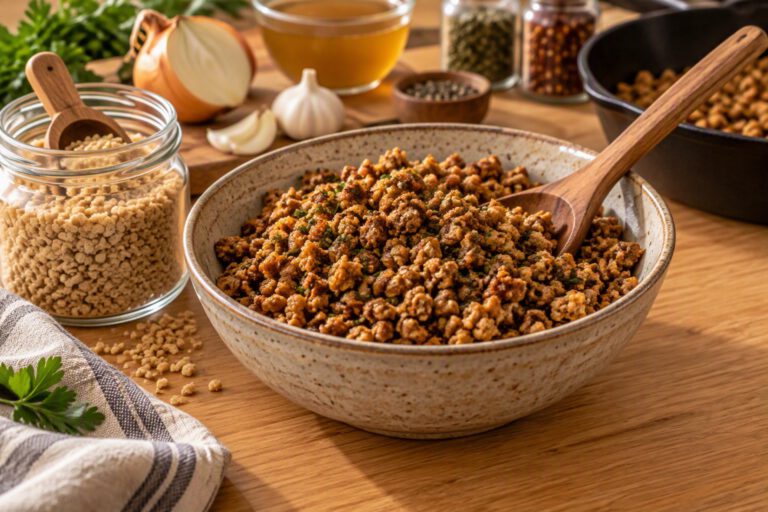
Seitan 101: The High-Protein “Wheat Meat” and How to Cook It
If you’ve ever wished a meatless dish had a little more chew, seitan is the answer. It slices like roast beef, shreds like chicken and sears up with crisp, browned edges, which makes it the go-to for cheesesteaks, gyros and stir-fries. It sounds exotic, but it’s really just made from wheat, and it’s been feeding vegetarians for a very long time.
What Is Seitan?
Seitan (pronounced SAY-tan) is made from wheat gluten, the protein left behind when wheat flour dough is rinsed until the starch washes away. What remains is stretchy and elastic, and once it’s seasoned and cooked, it becomes dense and chewy, with a texture closer to meat than almost any other plant protein. Wheat gluten has been used in Buddhist kitchens in China and Japan for centuries. The name “seitan” itself is newer, popularized by the Japanese macrobiotic movement in the 1960s.
It’s also an old friend in many American vegetarian homes. Several of the classic canned meat alternatives from Loma Linda and Worthington, like Choplets, are built on wheat gluten. You can read more about them in our short history of Loma Linda, Worthington and Cedar Lake.
Store-Bought or Homemade?
Both are good options. Ready-made seitan is sold in the refrigerated section near the tofu, often in strips or chunks packed in a savory broth. Just drain it and cook. Making it yourself is easier than you’d think and costs much less. The shortcut is vital wheat gluten, a flour-like powder sold in the baking aisle that is almost pure gluten. Mix it with broth and seasonings into a dough, knead it briefly, shape it, and simmer. Our Homemade Seitan Cutlets walk you through it step by step.
Simmer, Don’t Boil
This is the one mistake that trips up most first-timers. When cooking homemade seitan in broth, keep the pot at a gentle simmer, with just a few lazy bubbles. A hard, rolling boil makes seitan puff up and turn spongy and bready. Low and slow gives you the dense, meaty texture you’re after. Let it cool in the broth, and it will firm up even more and slice cleanly.
Three Ways to Cook It
- Slice thin and sear: Thin slices of seitan seared in a hot skillet get crisp, browned edges, perfect for sandwiches. Try our Seitan Philly Cheesesteaks or Seitan Gyros with Tzatziki.
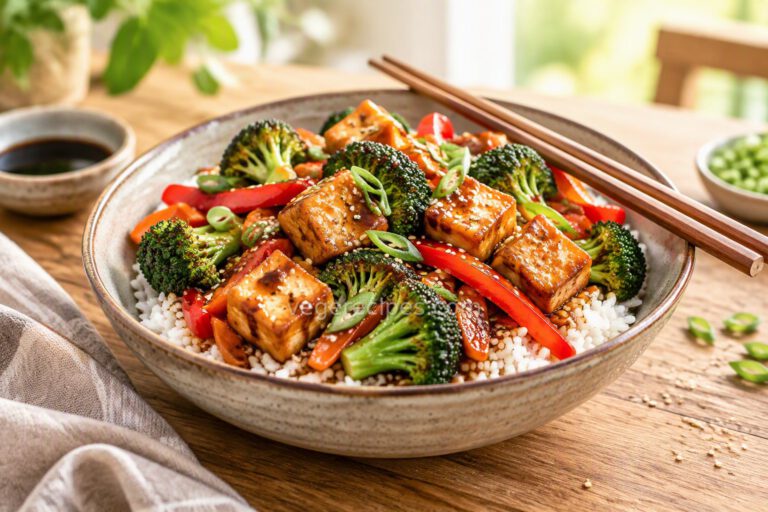
- Cut into chunks and stir-fry: Bite-size pieces hold their shape in a hot wok and soak up bold sauces, like in our Kung Pao Seitan Stir-Fry.
- Pan-fry as cutlets: Thicker slabs browned in a skillet and smothered in gravy make a classic comfort-food dinner. See our Homemade Seitan Cutlets with mushroom gravy.
Storing Seitan
Keep seitan in the refrigerator in its broth or a covered container, where it will stay fresh for about a week. It freezes beautifully too. Freeze it in portions, in a little broth, and thaw overnight in the refrigerator.
A Note on Gluten
Because seitan is made from wheat gluten, it is not suitable for anyone with celiac disease, a wheat allergy or a gluten sensitivity. If that’s you or someone at your table, try tofu, tempeh or jackfruit instead. Our Vegetarian Basics guide covers them all.
A note on nutrition: seitan is a rich source of plant-based protein, but this post is general cooking inspiration, not medical or dietary advice. Check with a healthcare provider for guidance specific to you.
Want new recipes and posts like this in your inbox? Subscribe here and we’ll let you know when something new is on the table.